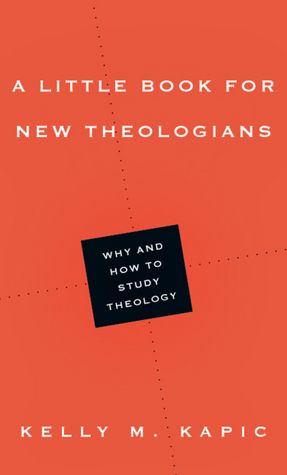
On one side of the aisle is the life of the mind - how we think and what we think upon. On the opposite side are our feelings, experiences, and daily living. We can see the good on either side, but we often lean one way and perhaps minimize the other. Sometimes we think the subjective is "real life". Sure it helps to read the Bible to get an emotional boost, but what good is theology in the day-to-day grind? Conversely we can get engrossed in the intricacies of what we believe without bearing any fruit of sanctification.But regardless of which way we list, we're all theologians. Any time we speak about God, we are engaged in theology.So according to the author, it behooves us to care deeply about theology.
The book is divided into 2 parts. The first section considers Why Study Theology?. The second part covers characteristics of faithful theologians and theology. This includes aspects such as reason, prayer, study, humility, repentance, tradition, and community. I've completed part 1,and I'm looking forward to reading more.
One thing that I have become concerned about in theological studies is the temptation to make overly strong divisions between academics and the church, between theology and life, between truth and love. In the past, the task of theological reflection was often intertwined with the experience and character of the theologian, so that the result was an organic connection between the themes like prayer, humility, suffering and community and the act of "doing" theology. My worry is that in our day, for many of us, we have unintentionally cultivated what might be called theological detachment: such a view produces a divide between spirituality and theology, between life and thought, between faith and agency. Theological detachment creates a deep misunderstanding that negatively affects not only our lives but also our theology, our churches, and even the world in which we witness and serve.1
Our call is to come, to gaze at Christ, to hear his word, and to respond in faith and love. Here theology and worship come together: we are answering the call of our heavenly Father to speak words from an intimate knowledge of the Word, which is possible only by the gift of the Spirit. Theology is wrapped up in this response to God's call. Hence, it is to be faith-full: faith is always required for genuine theology. We rightly respond to God's revelation when our words about God, whether many or few, are placed into a matrix of worship. When we see the relationship between theology and worship we are moved beyond intellectual curiosity to an engaged encounter with the living God.2
1. A Little Book for New Theologians, Kelly M. Kapic, IVP Academic, 2012, pg. 9.
2. Ibid. 37.
Hear,hear!
ReplyDelete